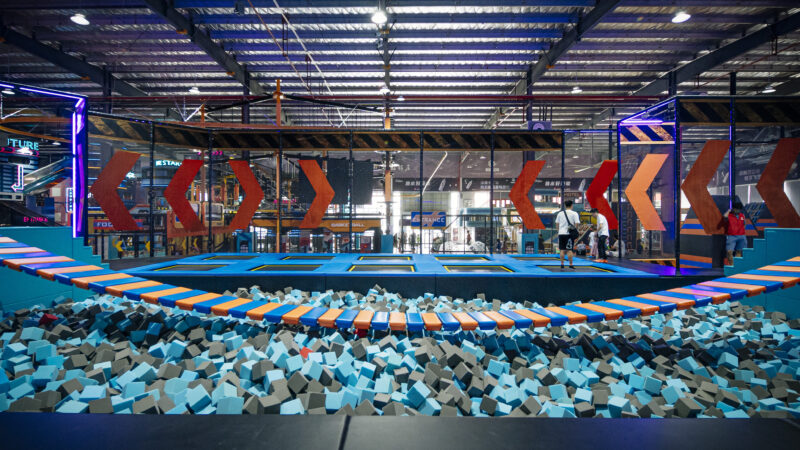
Is your site ready for playground equipment delivery?
Before the truck leaves, walk the route from unloading to installation with the people who will be there on the day.
Your equipment is almost ready, and the contractor says the room is nearly finished. Before you confirm dispatch, ask a more practical question: if the truck arrived tomorrow, could the crew unload every package, move it into the building and start work in the right area?
Those are three separate checks. A finished room does not help if the truck cannot reach the loading bay. A booked bay does not help if the largest crate cannot turn into the service corridor. Walk the route once with the supplier and your site team. The awkward points usually become clear when everyone is looking at the same plan.
Start at the loading bay, not at the play area
Ask where the truck can stop, what times are allowed and who will meet it. In a shopping centre, the venue may have separate rules for delivery vehicles, workers and materials. Find out who books access and what passes or protective equipment the crew needs before the delivery date is set.
Then follow the path the largest package will take. A door can be wide enough and still be hard to use if the corridor turns immediately after it. Share clear dimensions, photos and the route with the supplier. If a freight lift is needed, check its usable inside dimensions, door opening, rated capacity and booking window against the packing list. If there is no suitable lift, agree on an alternative with the venue and the installation team before dispatch.
Give the boxes somewhere to go
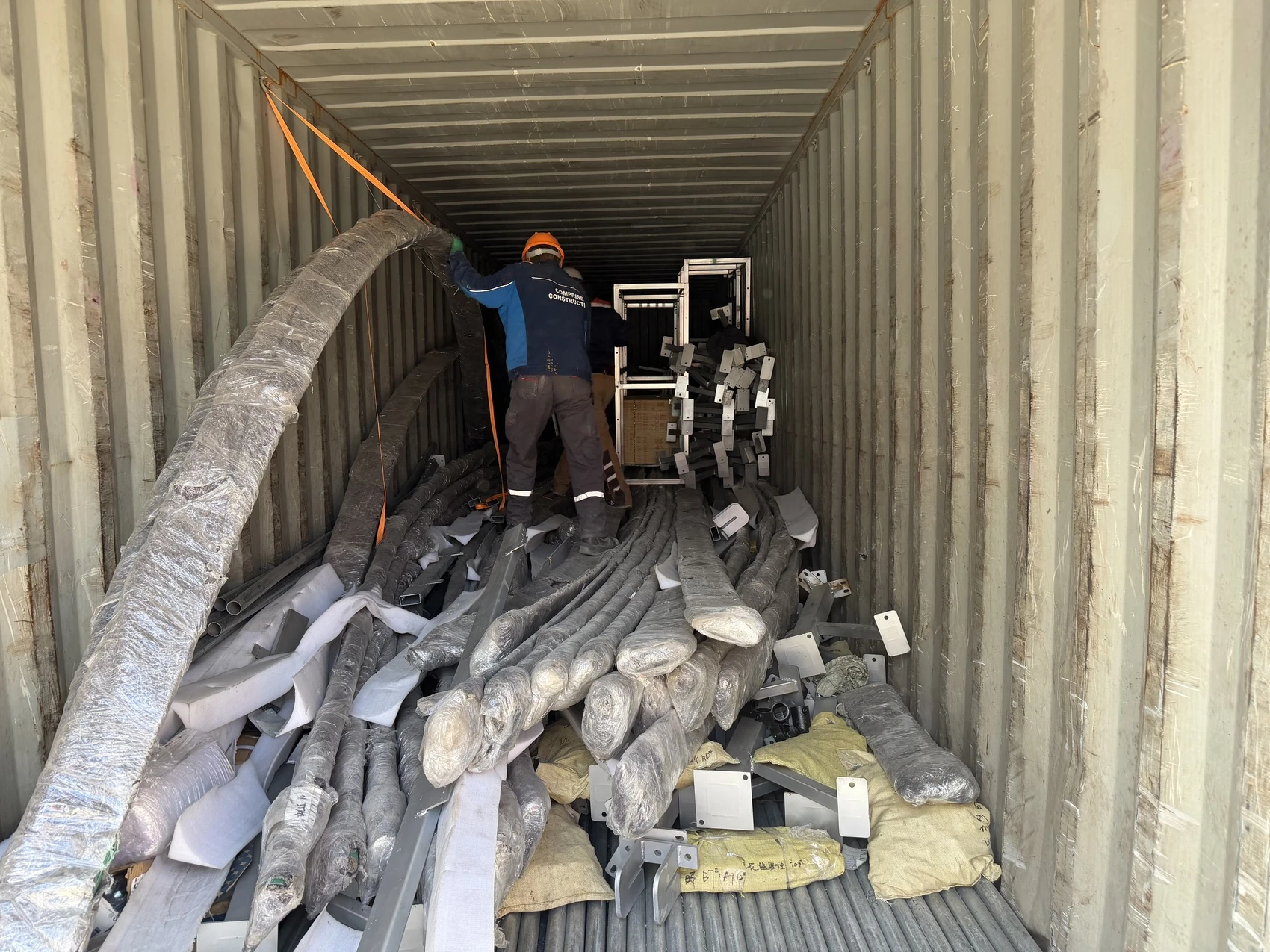
When a delivery arrives, there may be more packages than the installer needs on day one. Set aside a dry, secure place near the work area, separate from the installation footprint. It should be possible to get the next package without shifting the entire delivery.
Agree who receives the shipment, checks the packages against the list and records visible damage or shortages. Keep labels visible and agree how the team will deal with damage if it is found. Do not put stock in shared passageways or emergency routes, even if you expect it to move again soon.
Finish the work the equipment will make hard to reach
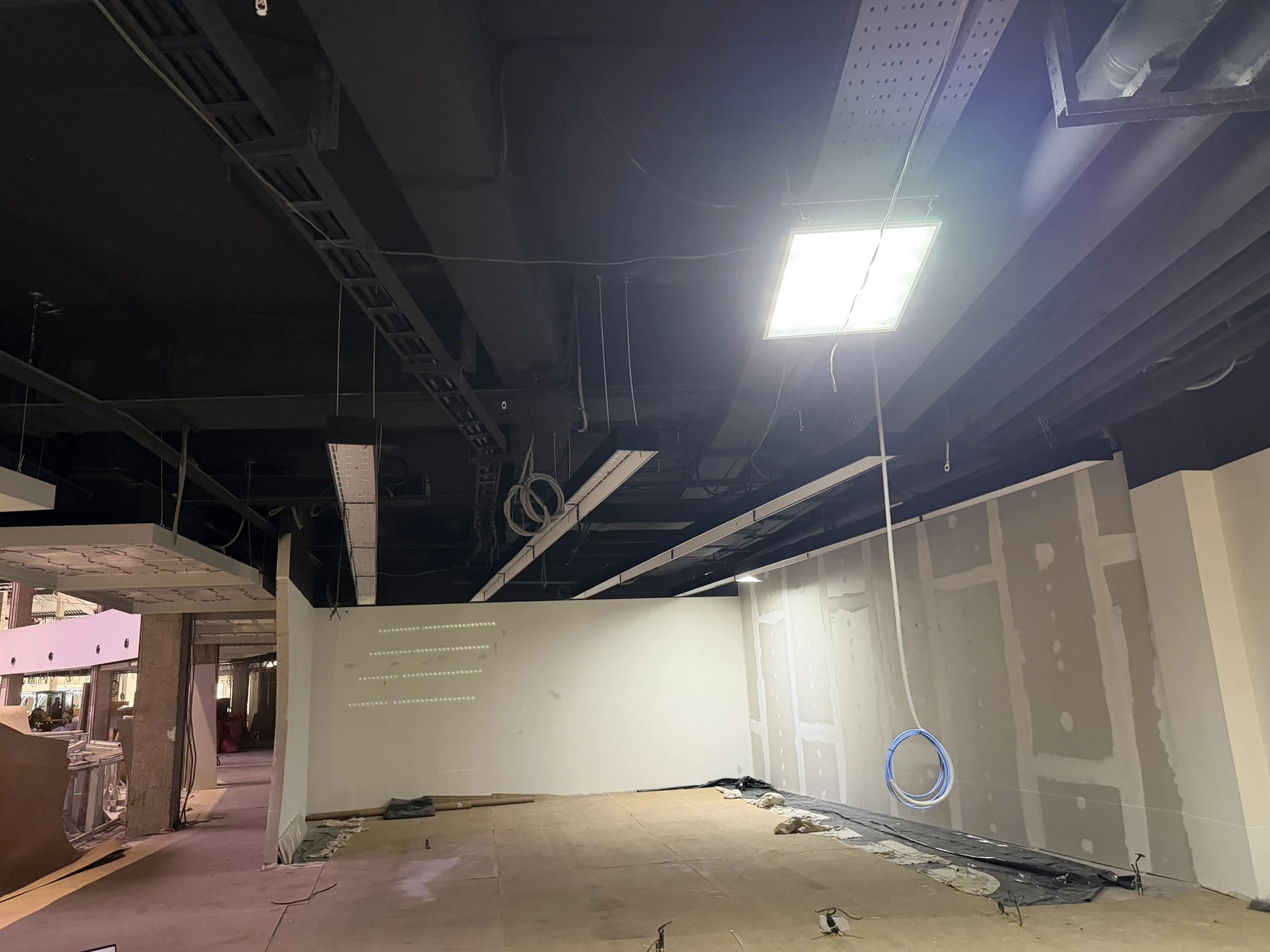
Think about the surfaces and services that will be behind, above or inside the equipment. If a wall needs finishing behind a soft play structure, or a column needs cladding inside it, do that work while there is still access. The same planning applies to ceilings and air conditioning above tall equipment.
Check that the installation floor is clean, dry and ready for the fixing method agreed for your project. Have the local team check the actual floor and services against the latest drawings rather than assuming that every floor uses the same anchors. Agree which electrical points and work lighting will be available, which work the local contractor will complete, and how site fire-safety requirements will be met.
If another trade is still on site, send the updated schedule and show where that work will happen. Some work may be separated by area; other work has to finish first. Make that decision with the installation team before dispatch, not in the loading bay.
Name the person who can make a site decision
The buyer usually coordinates access and the building contractor; the supplier can confirm packing, equipment requirements and installation interfaces. The venue may control lift bookings, working hours or permits. The exact division belongs in your agreed scope of work, especially where unloading, local equipment or installation services are involved.
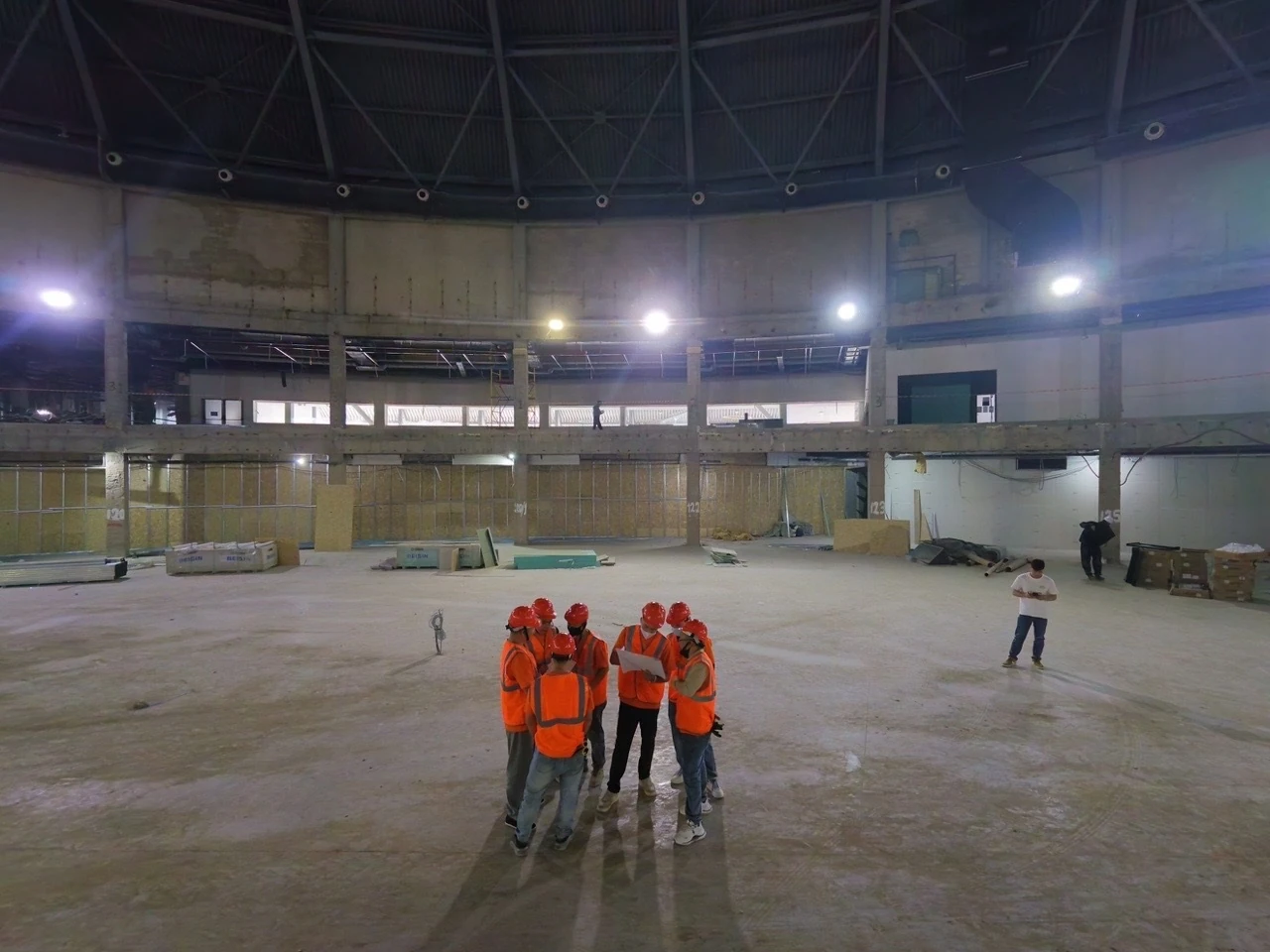
Give the delivery and installation teams one named site contact and a backup. Share the latest plan, unloading window, entry route, storage position and open site items in one place. If a contractor changes something after that, tell the supplier before the crew travels or the equipment is sent.
Before you confirm dispatch
- Confirm the truck arrival window, unloading position, permits and person receiving the delivery.
- Check the largest package against door openings, turns and the freight lift; share current photos and measurements.
- Reserve a secure staging area near the installation zone and keep access routes clear.
- Confirm the floor, walls, columns, ceiling, electrical points, lighting and applicable site requirements against the project handover list.
- Agree who provides unloading equipment, site access and installation services, and resolve any overlap with other trades.
- Leave time after installation for inspection, testing, handover and staff preparation before opening to visitors.