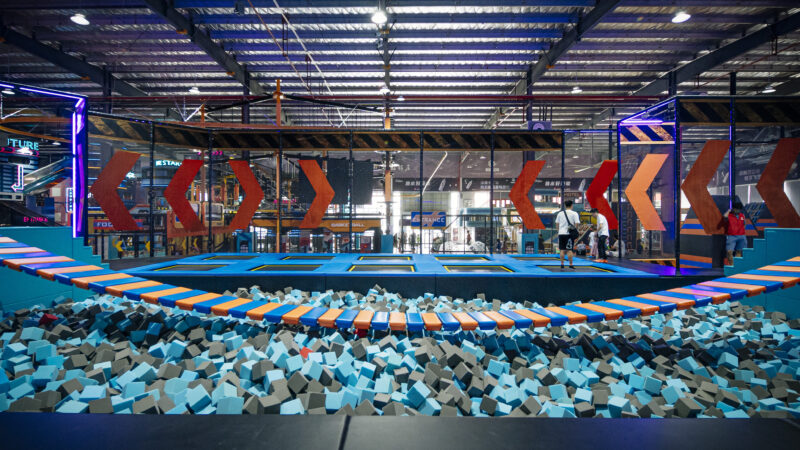
What should your team walk through before an indoor playground opens?
Equipment checks and approvals are one part of opening. A rehearsal lets the team discover the small things that will matter to the first visitors.
The installers have finished, and the venue looks ready in photos. Now try arriving with a child, putting your things away, finding the right play area, and meeting the rest of your group afterwards. You may find questions that were never visible on a drawing.
Start outside the play equipment
Ask someone who has not worked on the layout to be your first visitor for the rehearsal. Begin at the entrance and have the person find the reception desk, the places they can put their belongings and the route to the first activity. Do not point the way unless they ask. Mark each place where they stop to look for help.
Next, run a different arrival. A parent has two children, only one of whom will join a particular activity. Where does the other person go? Can the family see where they can meet again? These are small questions, but they become staff questions over and over if the building does not answer them.

Let staff practise one ordinary busy moment
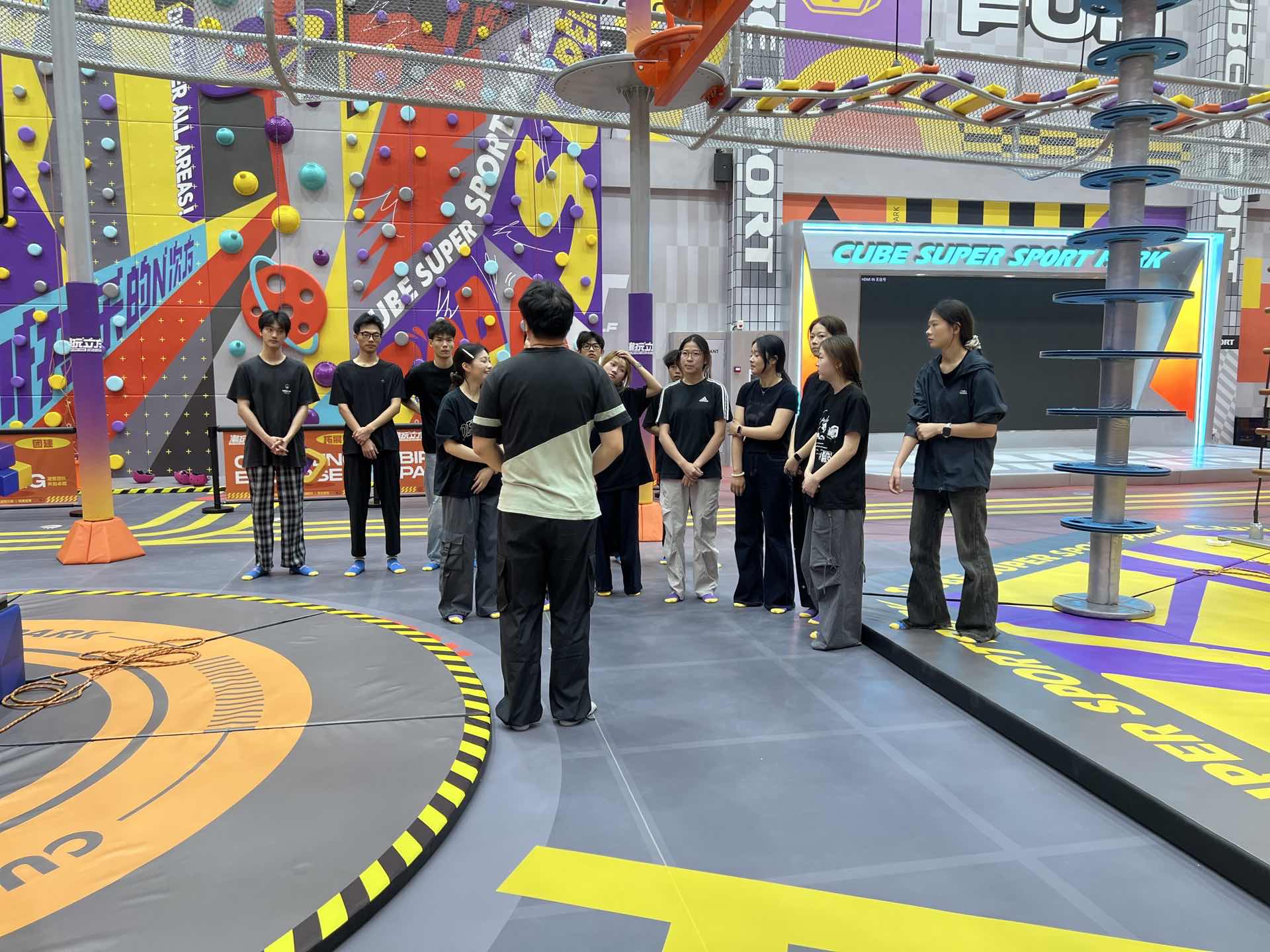
Start a new group while another group leaves. Ask staff to explain the rules in their own words and show visitors where to wait. Then rehearse what happens when an attraction is not available. Who explains the change, who can make a decision, and which activity can the family use instead?
The purpose is not to design a performance for opening day. It is to find which parts of the visitor experience depend on one particular person being there. Turn those parts into simple instructions the rest of the team can follow.
Keep the formal checks separate from the rehearsal
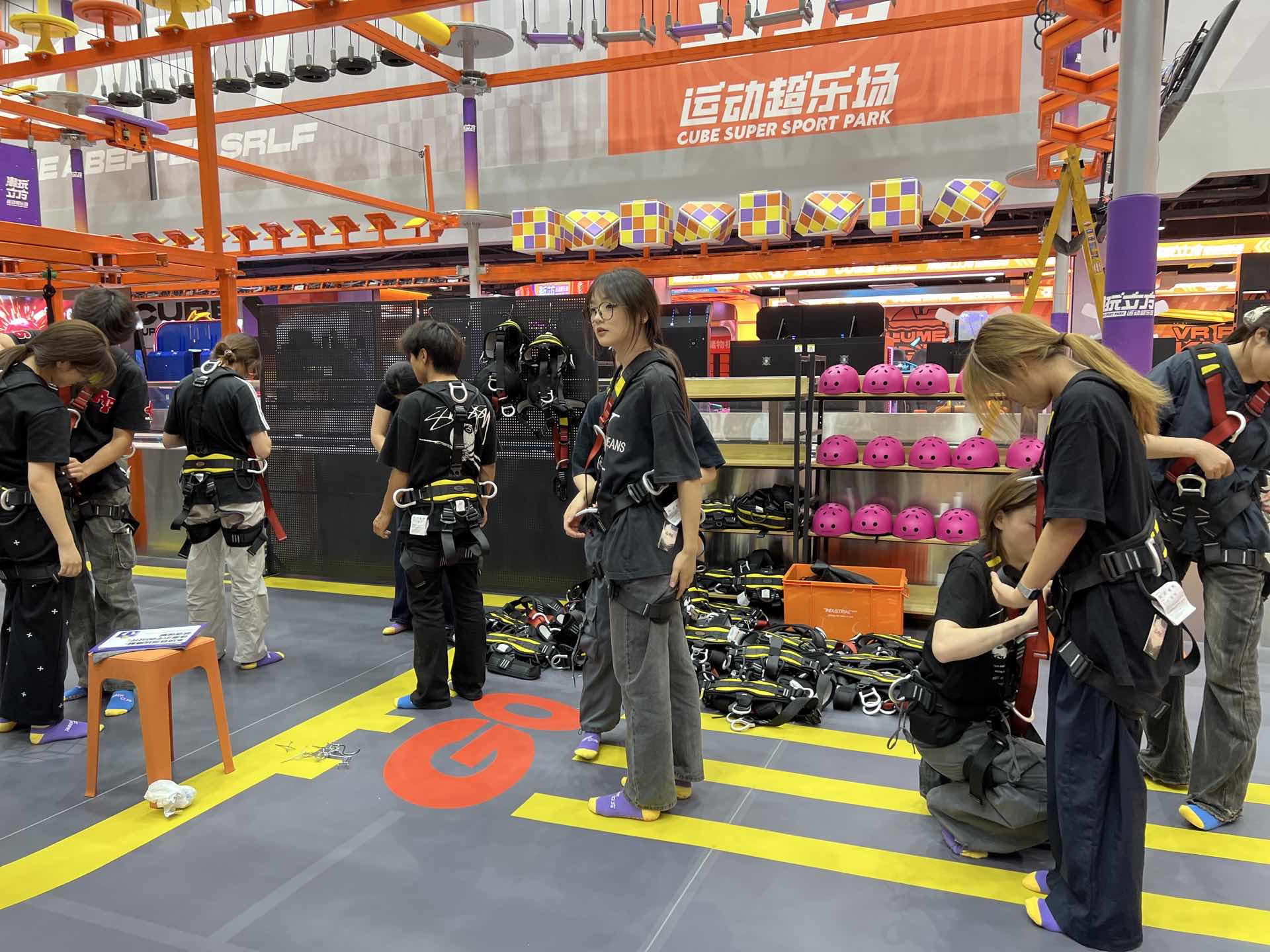
The rehearsal does not replace technical inspection, testing, local approvals or documented handover. Keep those items visible in a separate list, with the person responsible and the current status. If something blocks opening or a feature’s use, mark it that way. Do not put it on the same list as a crooked sign or a missing storage label without distinguishing the two.
For each issue, write the location, what happened and the next decision. “People keep stopping here when they look for the exit” is a better note than “improve signs.” It gives the person making the change something to verify.
Walk the fixes once more
Do a shorter second walk after the changes. Check the actual route, not only the revised drawing or the message saying the job was done. The team should know what is ready, what stays closed and who decides before the first public session begins.