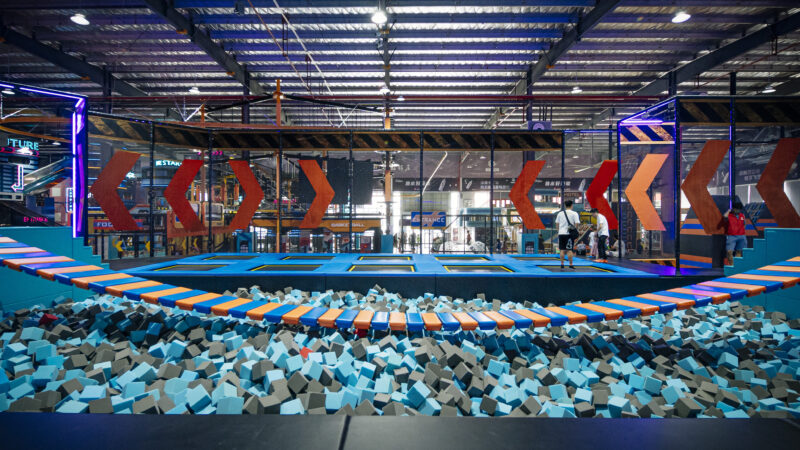
Professional climbing for adventure parks and FECs.
Bring professional climbing into adventure parks and family entertainment centers. Purpose-built wall panels, climbing-specific finishes and configurable routes create challenges in strength, balance and technique, with opportunities to refresh the experience through route setting.
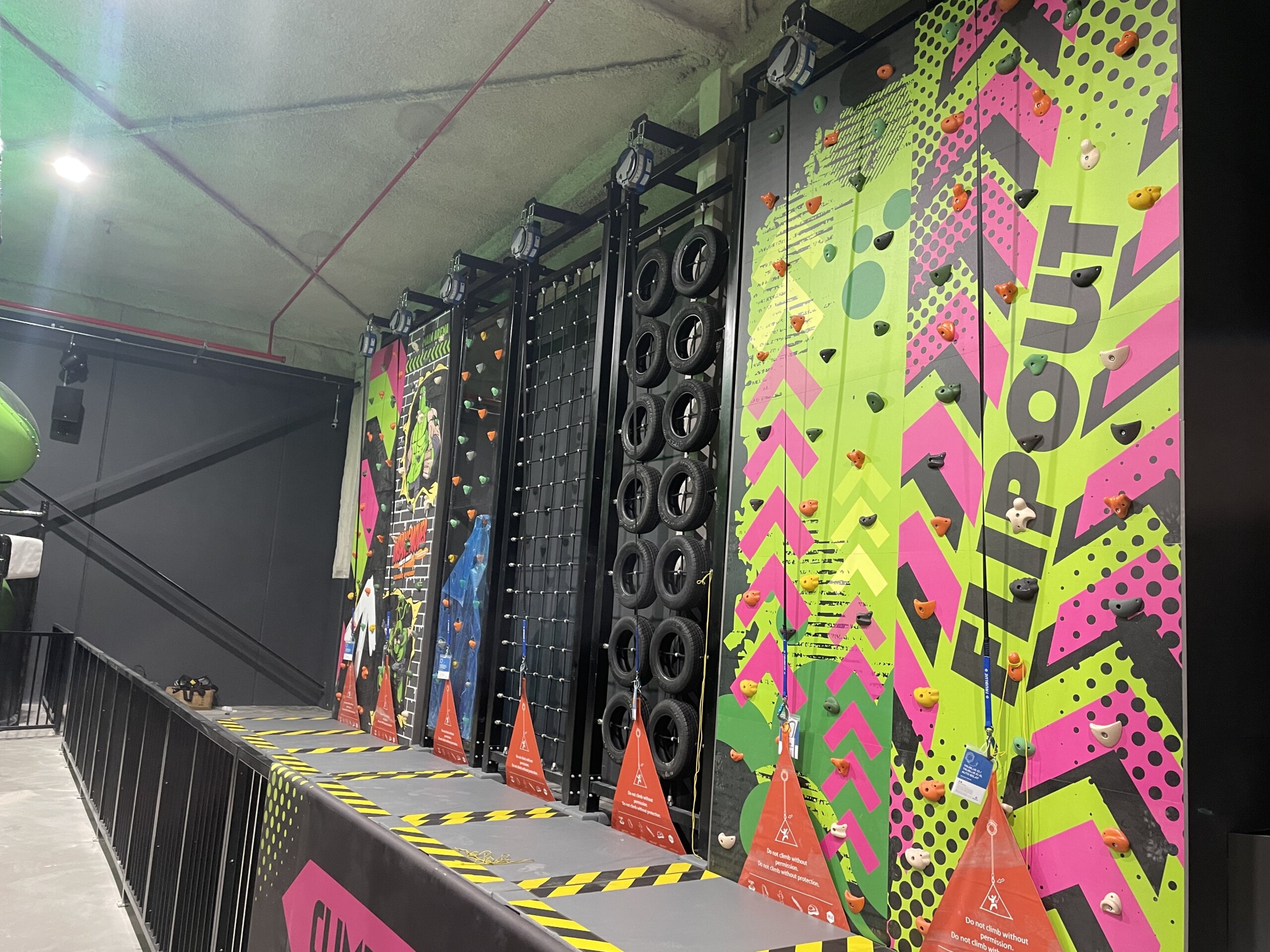
Bold themes, playful shapes and instantly understandable challenges. A strong fit when the attraction is built around visual fun and first-time participation.
Explore our existing fun climbing range →
Climbing is the core experience. Wall geometry, hold combinations and route difficulty shape challenges in movement, balance and technique. Routes can evolve as visitors develop their skills.
Explore the construction details →Choose a layout around your space, target climbers and desired experience. Wall geometry, route difficulty and the protection system are planned together.
Explore lateral movement and short routes where the venue concept and risk assessment support it. Wall height, landing area and visitor separation must be designed together.
Create a taller climbing experience with an appropriate protection system and a defined operating procedure. Auto-belay suitability, anchors, supervision and rescue arrangements require project-specific review.
Target users, height, footprint and accessory systems are confirmed for each configuration.
Panel impact resistance matters—not just the surface appearance. The European EN 12572 framework provides relevant tests for artificial climbing structures; the applicable part and tested assembly must match the planned wall.
A climbing-specific coating brings wear and stain resistance to the working surface. Texture, finish and colour support the climbing experience as well as the appearance of the wall.
Climbing holds can be repositioned within the designed mounting pattern, allowing trained personnel to reset routes and vary the movement challenge. Changes remain within the approved wall and fixing arrangement.
Add a movement-led climbing challenge alongside other active attractions.
Plan a distinct climbing zone with clear access, supervision and waiting areas.
Build the activity mix around your target visitors and planned operating model.
Panels, holds, support structure, protection equipment, landing provision and daily operation need to work together. EN 12572-1:2017 covers artificial climbing structures with protection points, EN 12572-2:2017 bouldering walls and EN 12572-3:2017 climbing holds. Applicable requirements and supporting documentation are reviewed against the actual project configuration.

Fun Climbing Walls focus on themed shapes and instantly understandable play challenges. Professional Climbing Walls focus on wall geometry, climbing movements and configurable routes. The difference is the experience, not a lower or higher safety standard.
Wall angles, hold selection, spacing and movement sequences can be planned for different abilities. Route difficulty should match the intended visitors, protection system and operating arrangements.
Yes. Trained route setters can reposition holds within the designed mounting pattern and approved fixing requirements, then check the new route before use. Structural anchors are not freely adjustable.
Share the project location, available footprint and clear height, target climbers and desired experience. These form the starting point for layout, route and technical planning.
Fill out the form below and we'll get back to you within 24 hours.