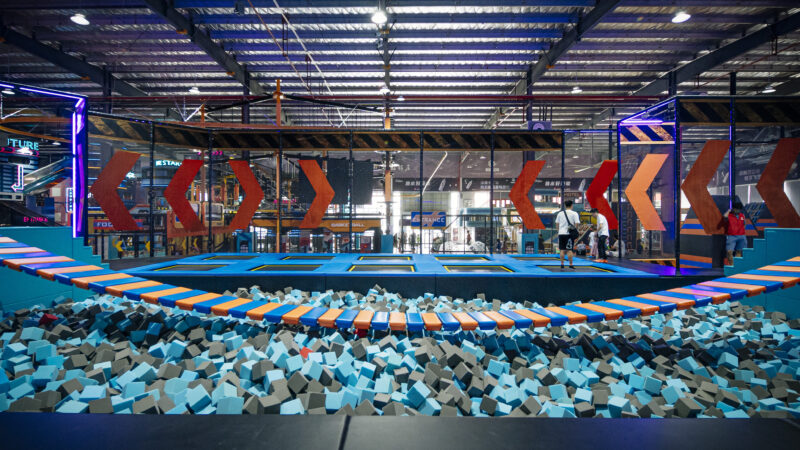
Why do two playground quotes have such different prices?
Look beyond the total. Compare what is included, what guests can do, and how the equipment is made.
You have sent the same floor plan to two suppliers. Both have returned a colourful design. Both say they can build your indoor playground. But the prices are very different. Which proposal should you choose?
Before asking either supplier for a discount, put the drawings and quotations side by side. You may find that the two prices cover different equipment, different play activities or different services. Once those differences are clear, you can decide what matters to your project.
01First, check what the price includes
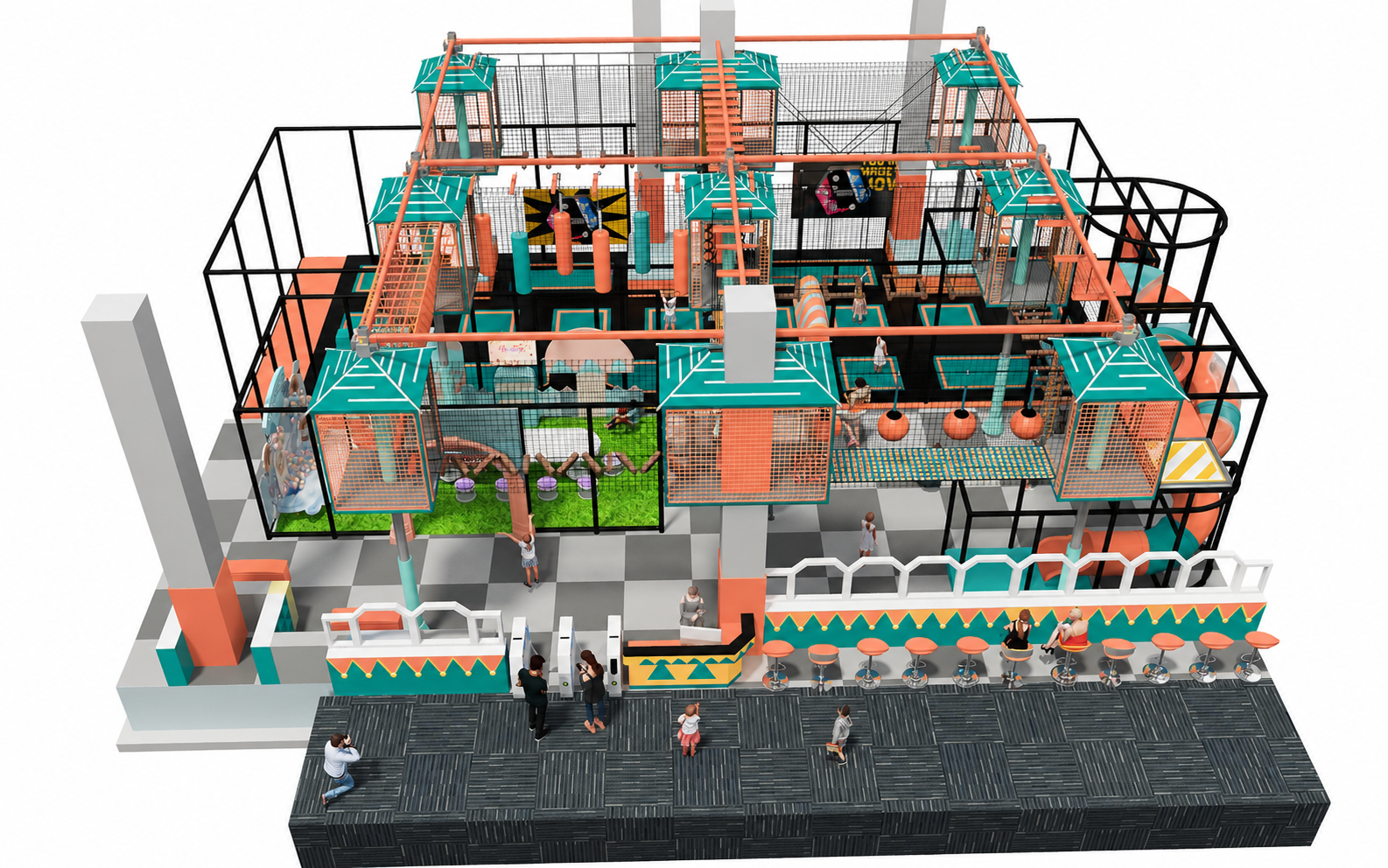
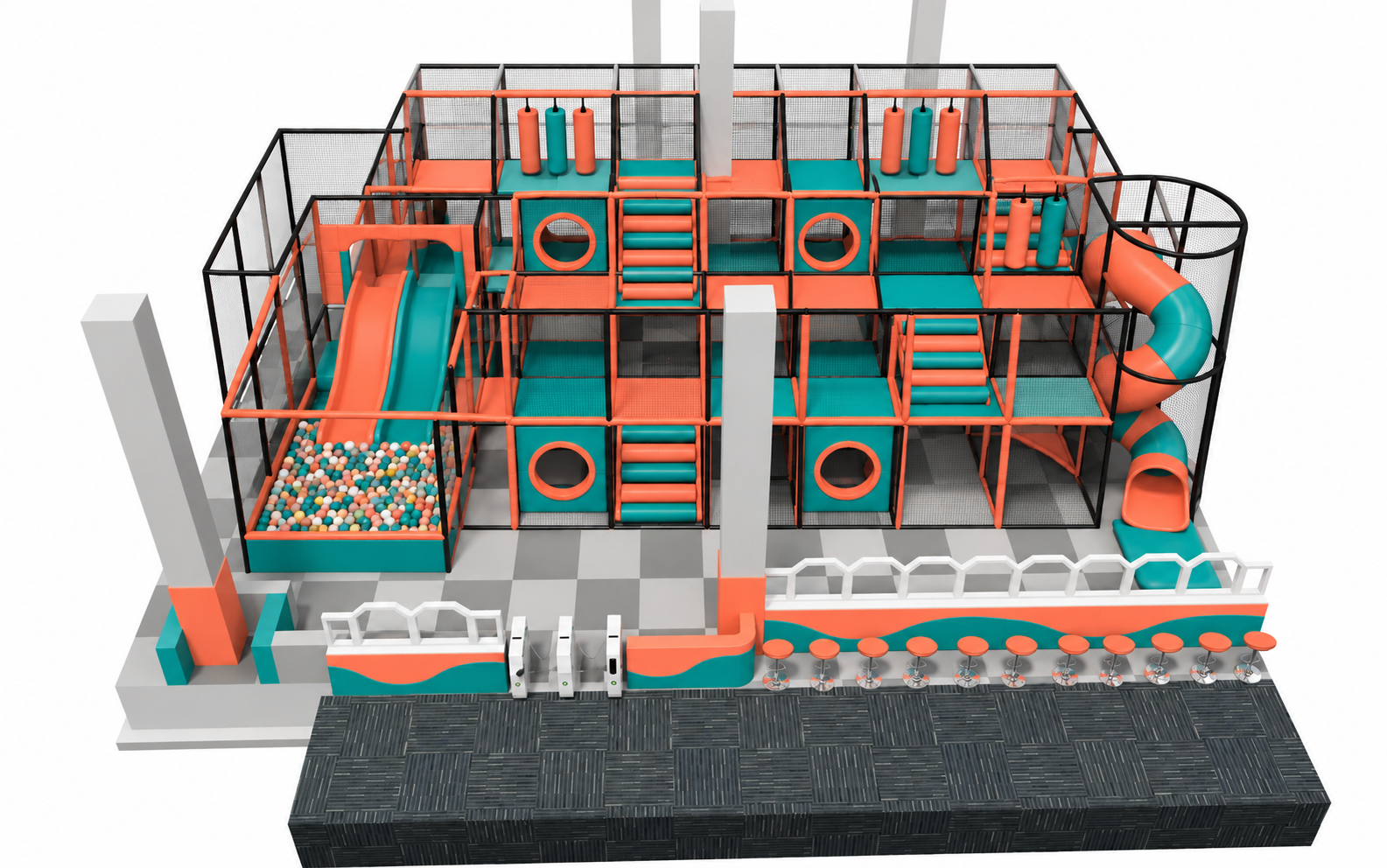
A rendering shows you the proposed space. It does not tell you the full supply scope. A themed entrance may appear in the picture but sit outside the equipment price. An interactive game may need its own hardware and software. Transport and installation service may be quoted separately.
 Click to enlarge
 Click to enlarge
Ask for a clear list of the main play areas, themed decoration and interactive systems. Then check transport, installation service and work by your local contractor. If a service is priced separately, include it in your project comparison rather than treating the equipment total as the whole cost.
02The same floor area can offer very different play
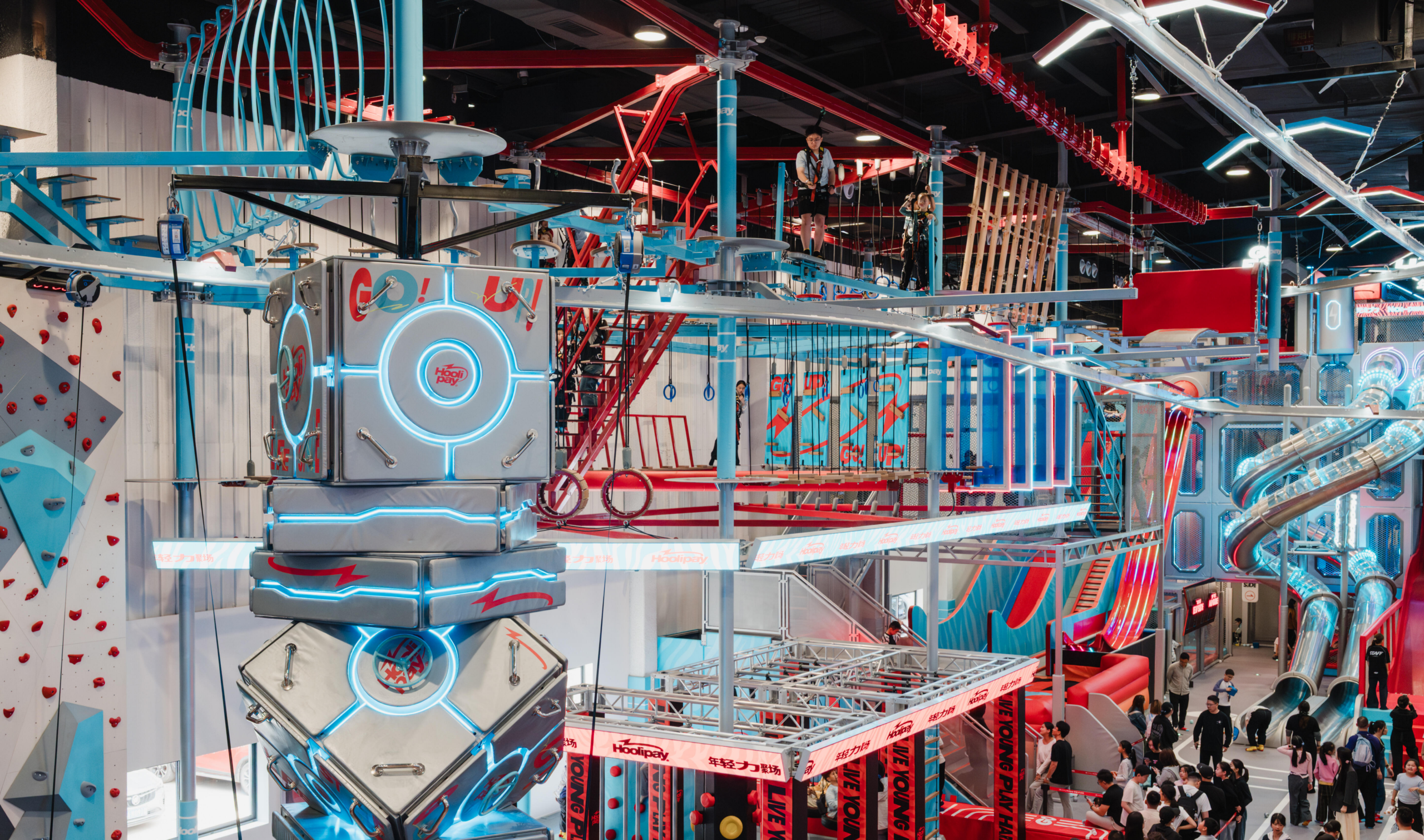
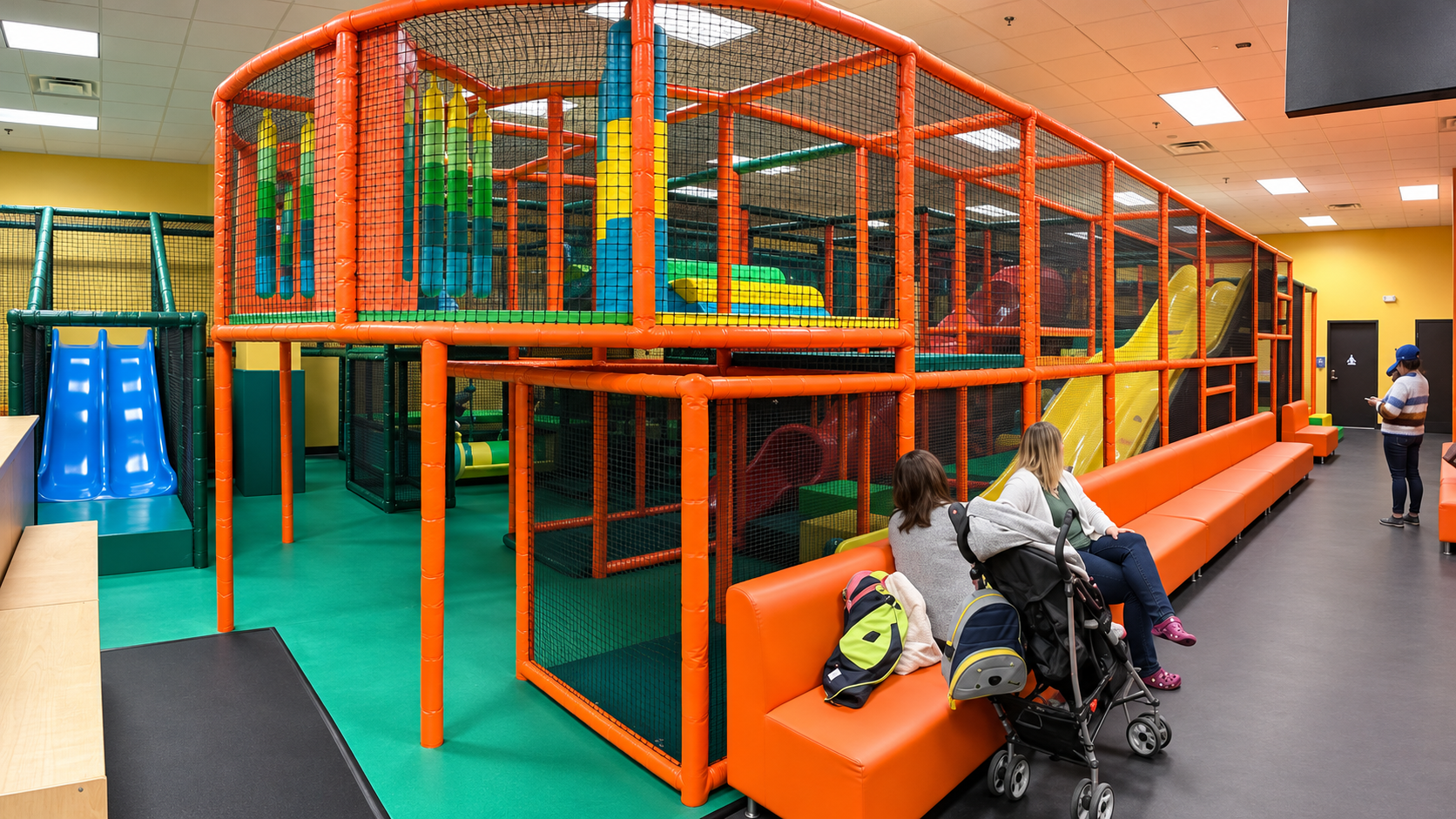
Imagine a child entering each proposal. Where do they go first? Can they climb, balance, slide and choose another route? Or do several sections offer much the same activity? Counting square metres will not answer those questions.
 Click to enlarge
 Click to enlarge
A multi-level structure can use height to connect more activities. A mixed-play design may also bring ropes, climbing or other challenges into the same venue. These choices change the equipment, the structure and how the park is operated. They should appear clearly in the proposal.
More equipment is not always better. A younger audience may need a simpler route. A smaller park may benefit from fewer, well-connected activities. The useful question is whether the combination suits your guests, rather than whether every available space contains a product.
For a fair comparison, use similar site dimensions, usable height and target ages. A small children’s play area and a large adventure park serve different purposes. Their price per square metre cannot tell you which one is better for your business.
03Use real detail photos to compare the build
Two renderings can look equally polished while showing very little about the materials. Ask for clear photographs of the actual padding, net connections, platforms and floor surfaces. Ask for the matching specifications and relevant test information as well.
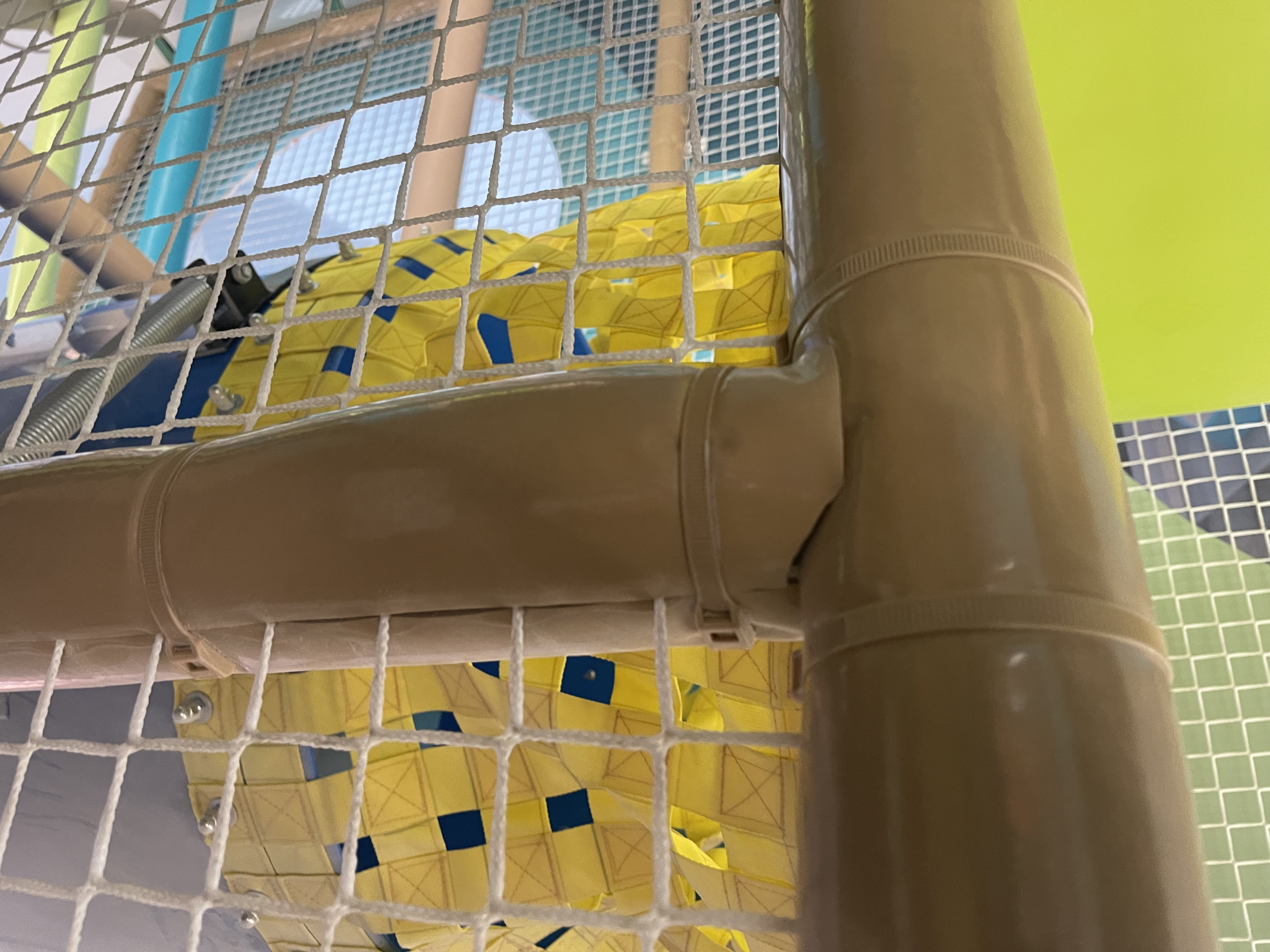
Look at the connection
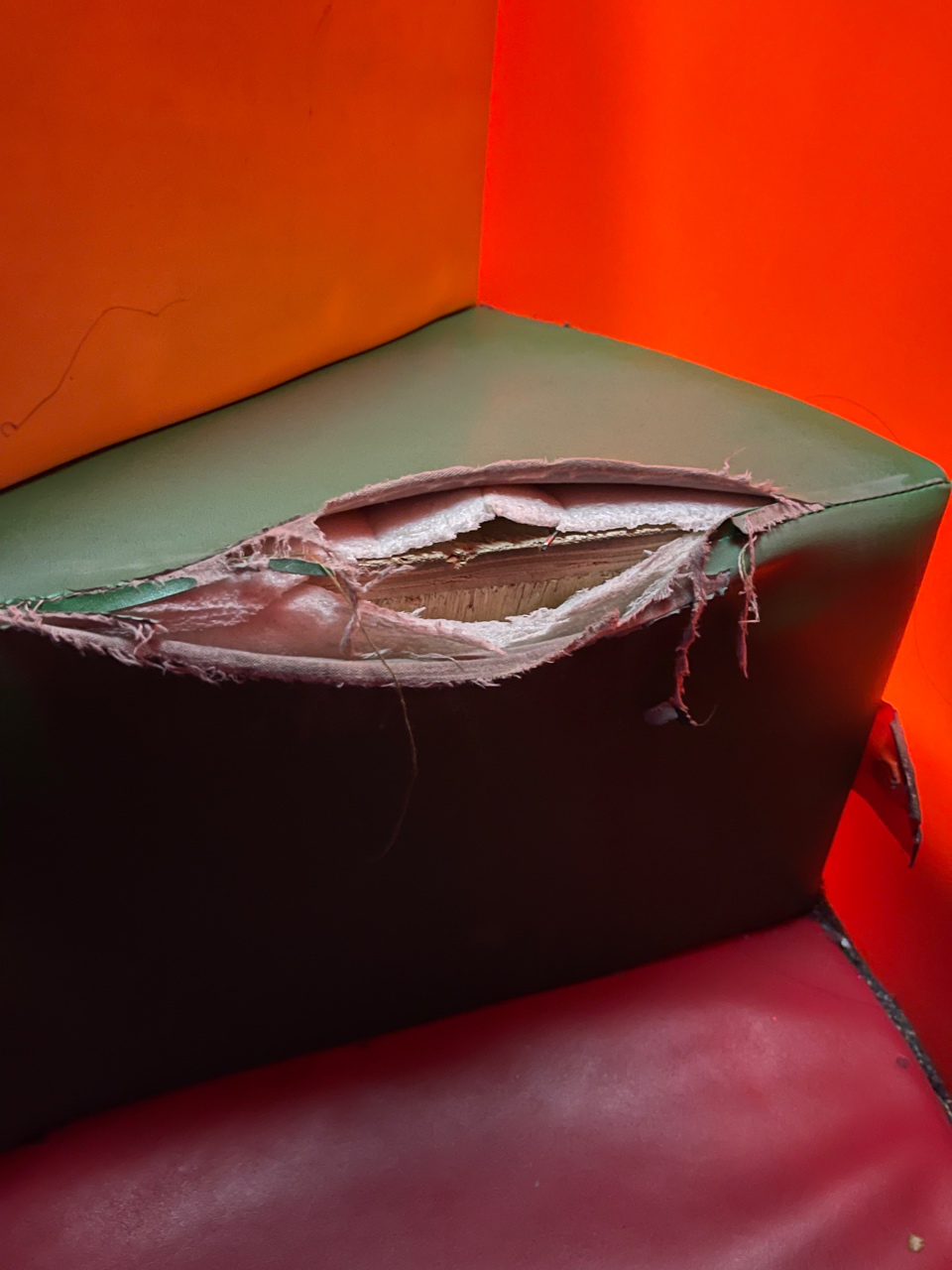
Look at the edge and finish
These photographs help you ask better questions. How is the cover secured? How is the net fixed? What can be replaced when a part wears out? A photograph can show the finish, but test performance needs the relevant specifications or reports.
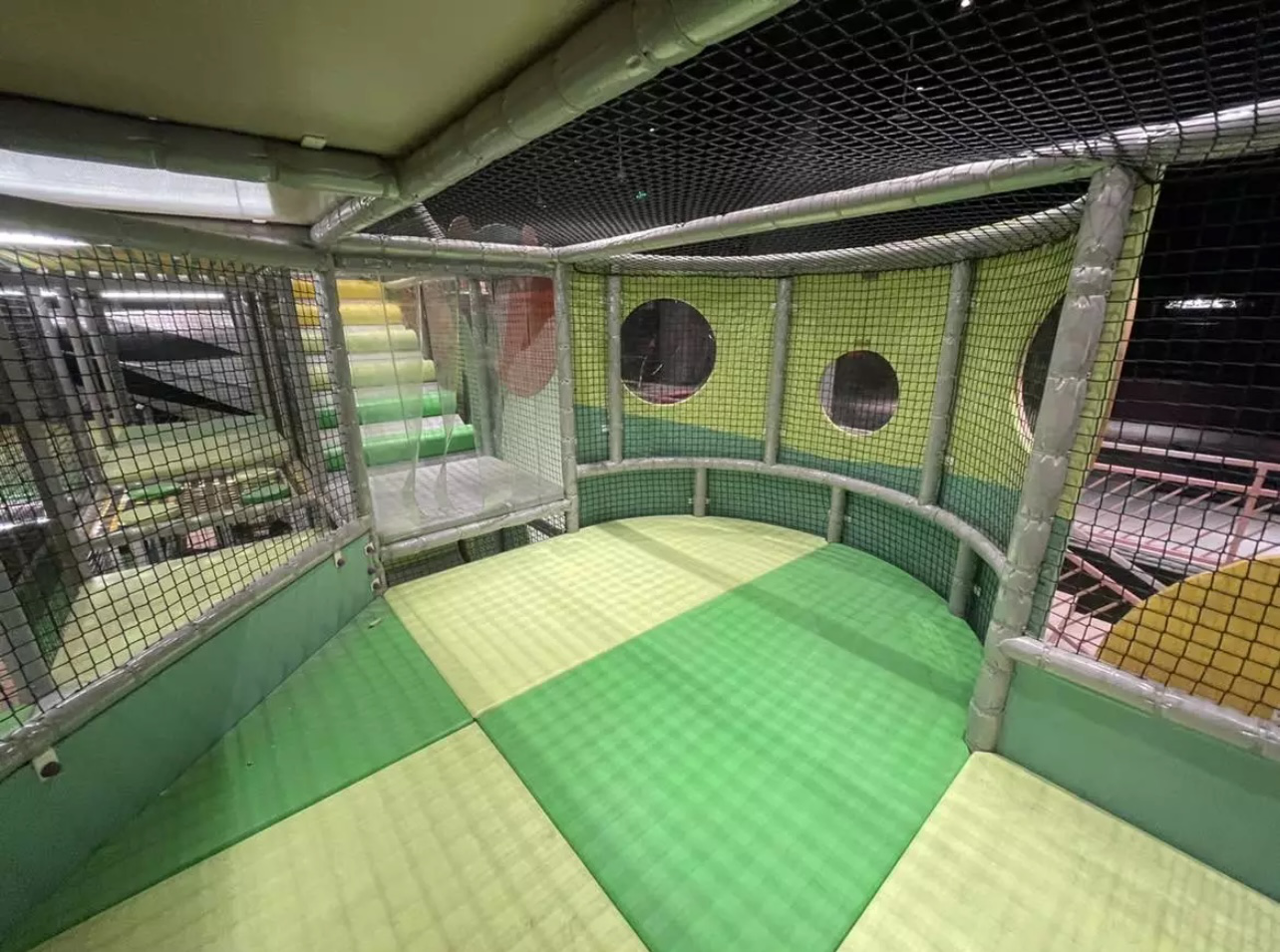
Check the installed surface
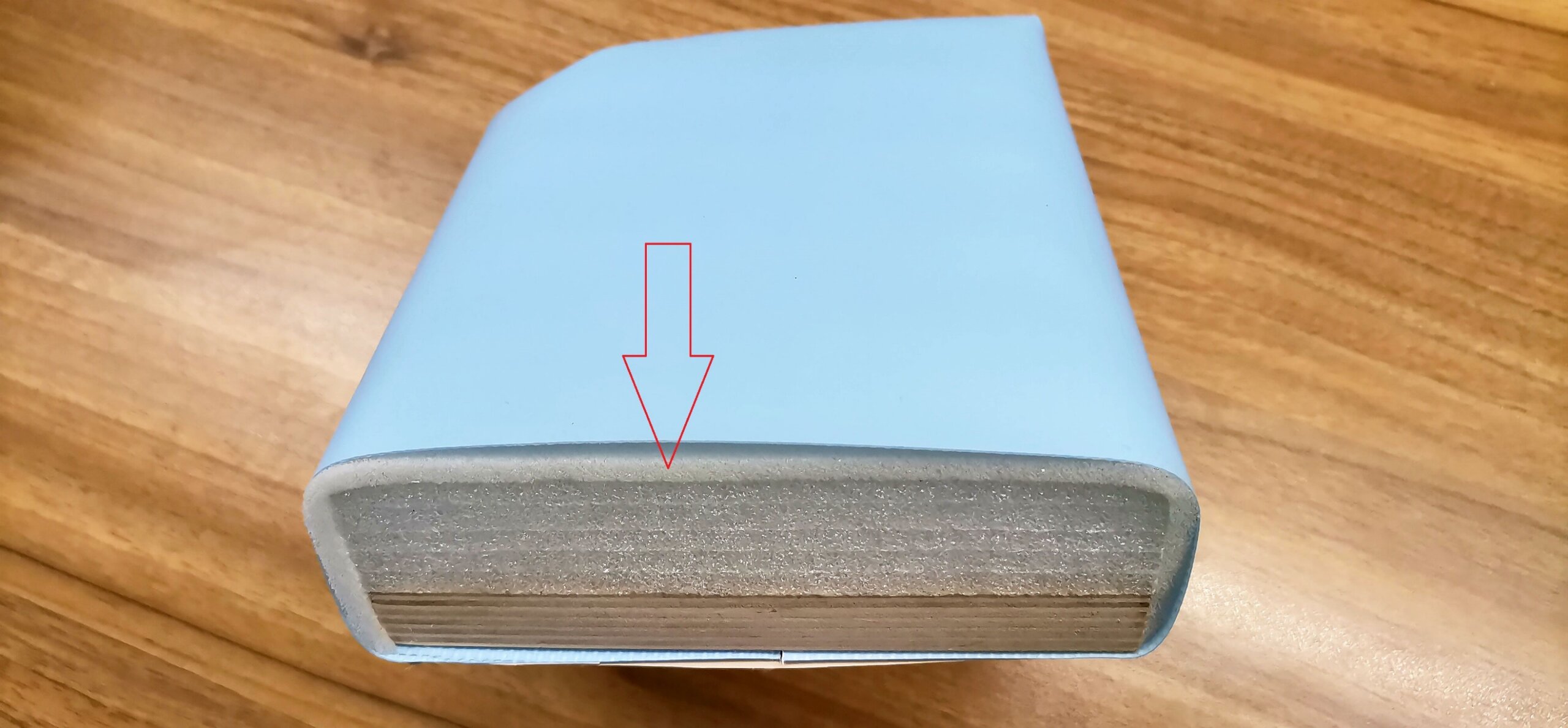
Look beneath the surface
At Funlandia, we use material and component details to explain what goes into a proposal. Compare the items that affect your project. A longer specification sheet is not useful unless you understand what the differences mean in the finished park.
04Reduce the budget without losing the main experience
If the first proposal is above your budget, explain the amount you want to work towards and the guests you most want to serve. Your designer can then make a considered revision. Asking for the same design at a lower total leaves it unclear what will change.
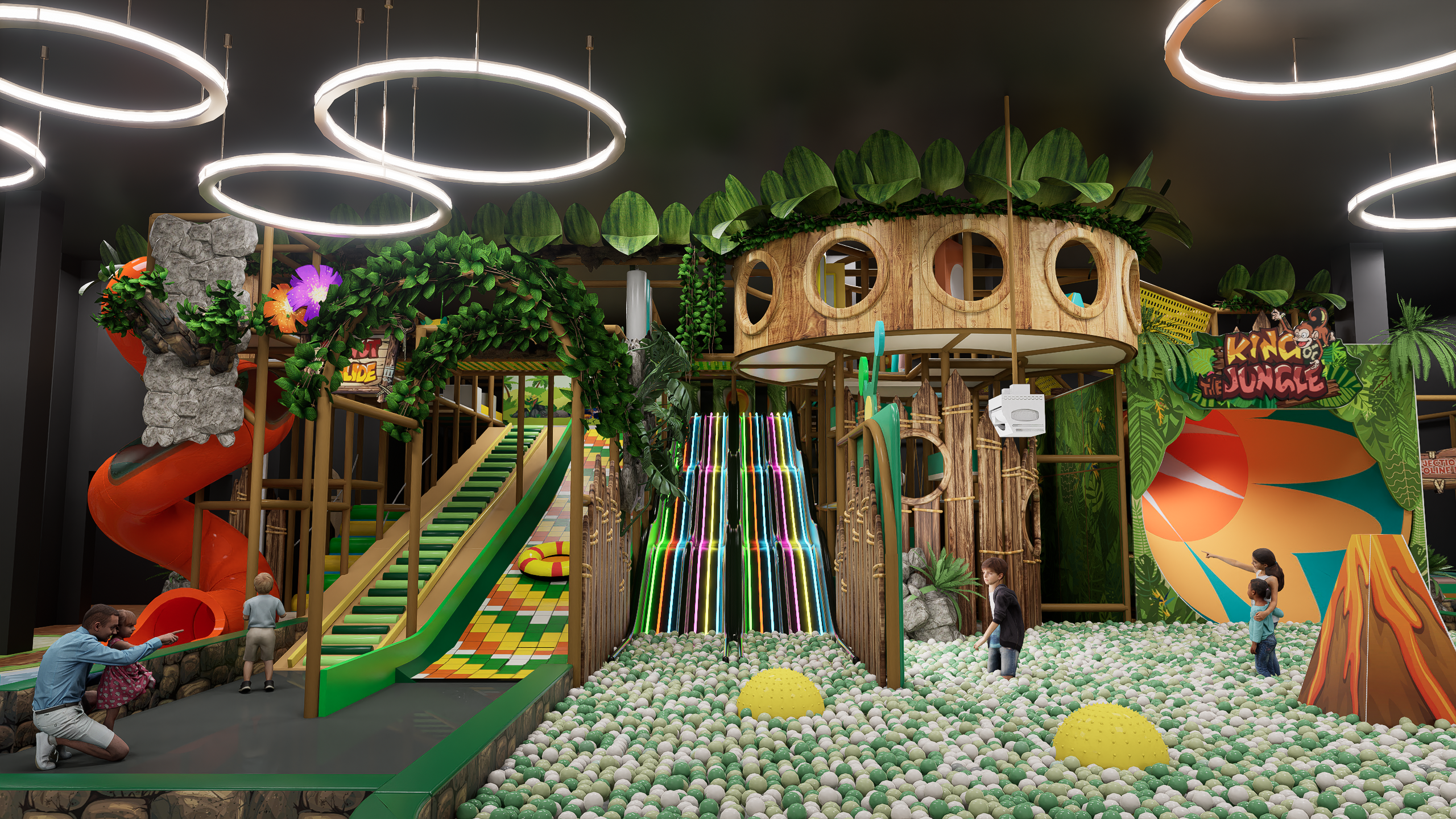 Click to enlarge
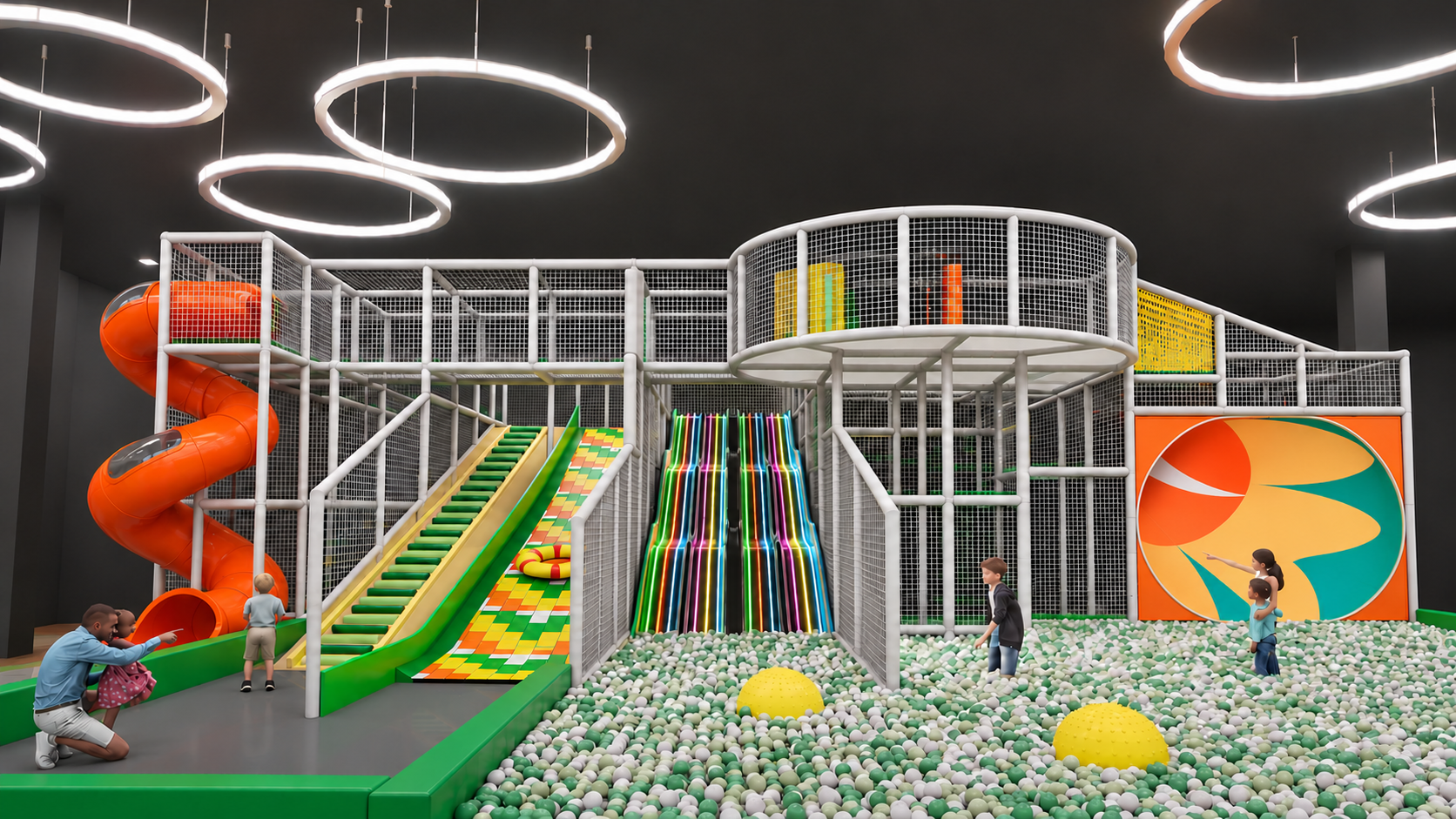 Click to enlarge
For example, you might simplify selected decorative features, reduce repeated activities or complete a secondary area later. Keep the main route and the products that give your park its purpose. Any change should be reflected in an updated drawing and quotation.
A simpler design can still be a good design. What matters is that the revision is deliberate. Do not trade away essential protection, structural requirements or suitable access to make the headline price smaller.
05Put the comparison into a written scope
Once you have discussed the design, ask each supplier to confirm the scope in writing. Use the same design number and revision on the drawing and quotation. This makes it much easier to identify what changed between two prices.
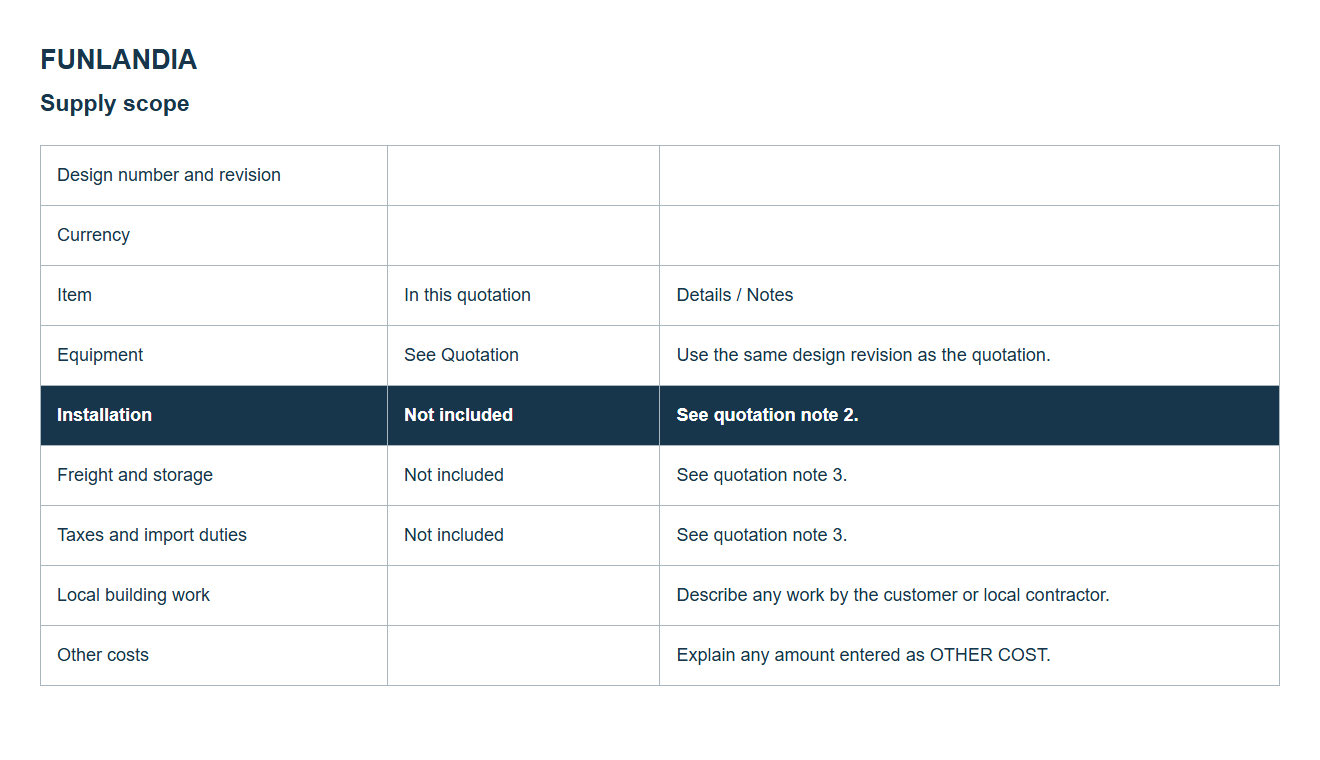
In this template example, installation and freight are listed separately from the equipment. Your project quotation should state the agreed arrangement for each item. The important point is to make the scope visible before comparing totals.
| Compare | Ask before choosing |
|---|---|
| Site and design | Same dimensions, usable height, design number and revision? |
| Play content | Which main products, routes and interactive systems are included? |
| Theme and finish | Which entrance, façade and decorative elements are included? |
| Materials and build | Are specifications, detail photos and relevant reports available? |
| Transport and installation | What transport and installation service is included or quoted separately? |
| Other work and support | Who handles local work, and what support is agreed after handover? |
You do not need to become an equipment engineer to make a better choice. You need a proposal you can understand, clear answers to your questions and evidence that matches the promises. Then price becomes part of an informed decision.
Three questions we often hear
Should I compare playground quotes by price per square metre?
Use it only as a first reference. Check the usable height, equipment, play content, materials and service scope before comparing the totals.
Does more decoration always mean a better playground?
No. Decoration should support a clear visual identity. The play routes, activities and suitability for your guests matter just as much.
Can we revise a design to fit a smaller budget?
Yes. Discuss the main audience and the budget with your designer. Agree which activities to protect and which decorative or secondary elements to adjust.
Let’s look at your site and priorities
Share your floor plan, usable height, target ages and budget. We can discuss a design, equipment and installation scope that you can compare clearly.